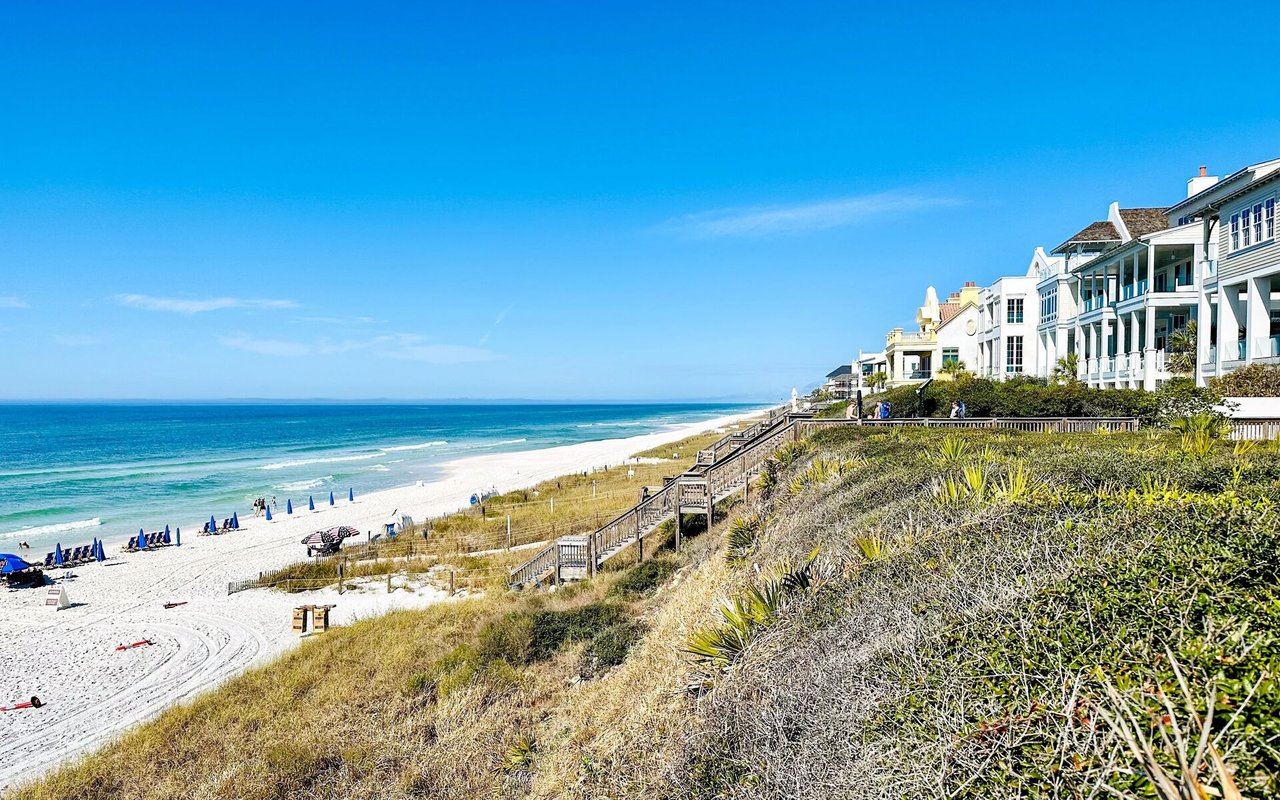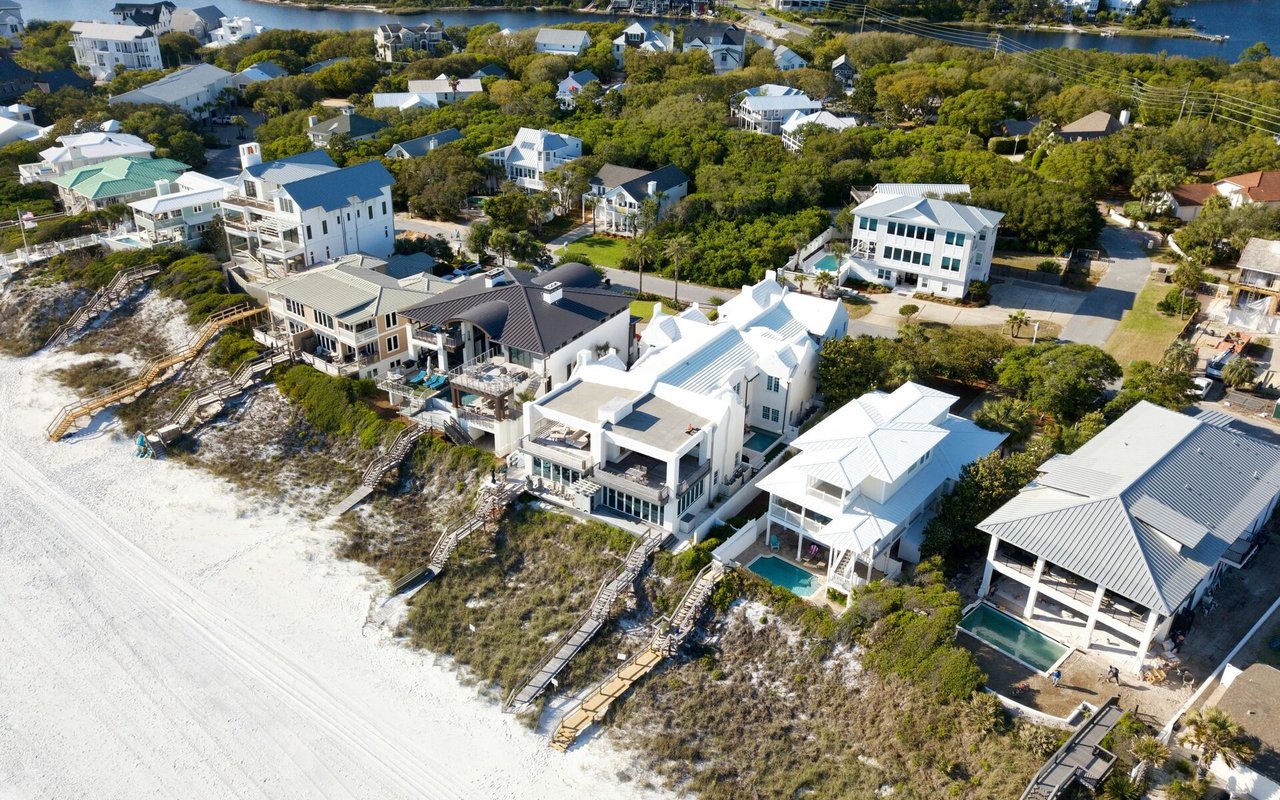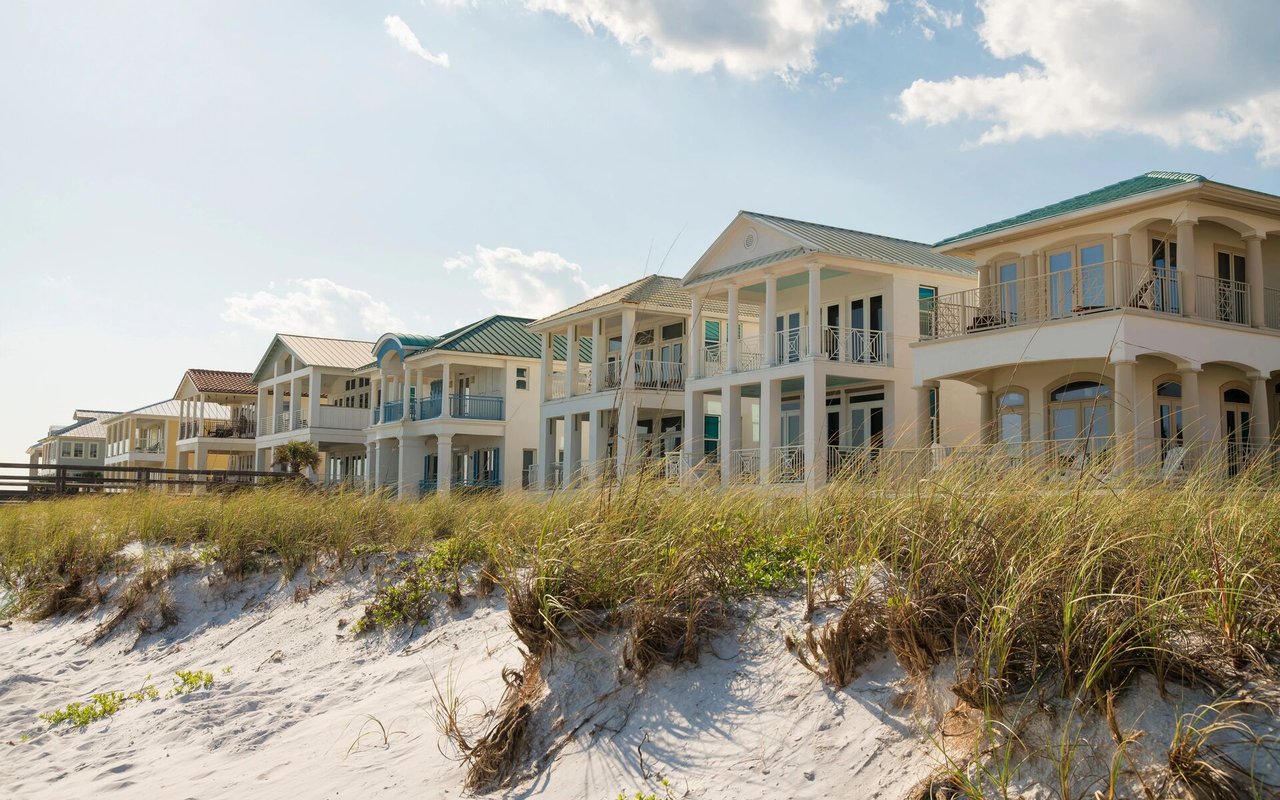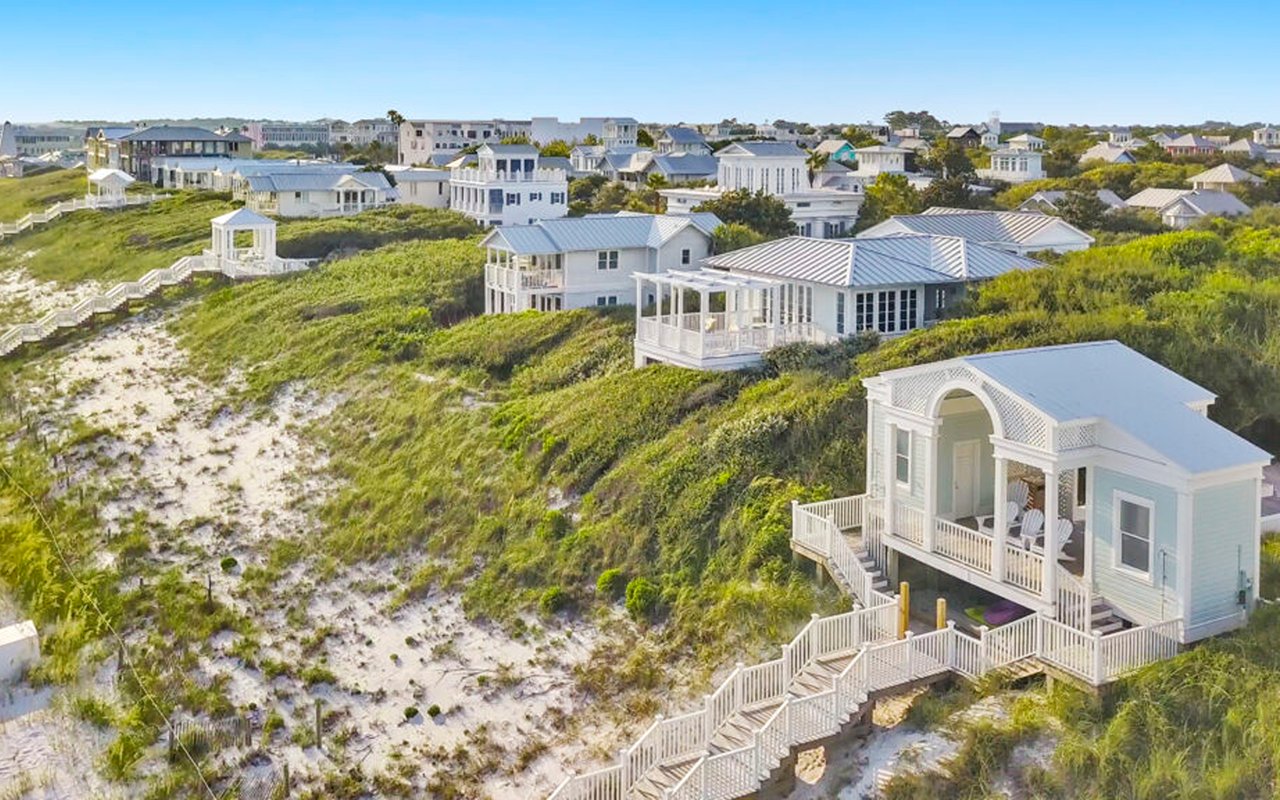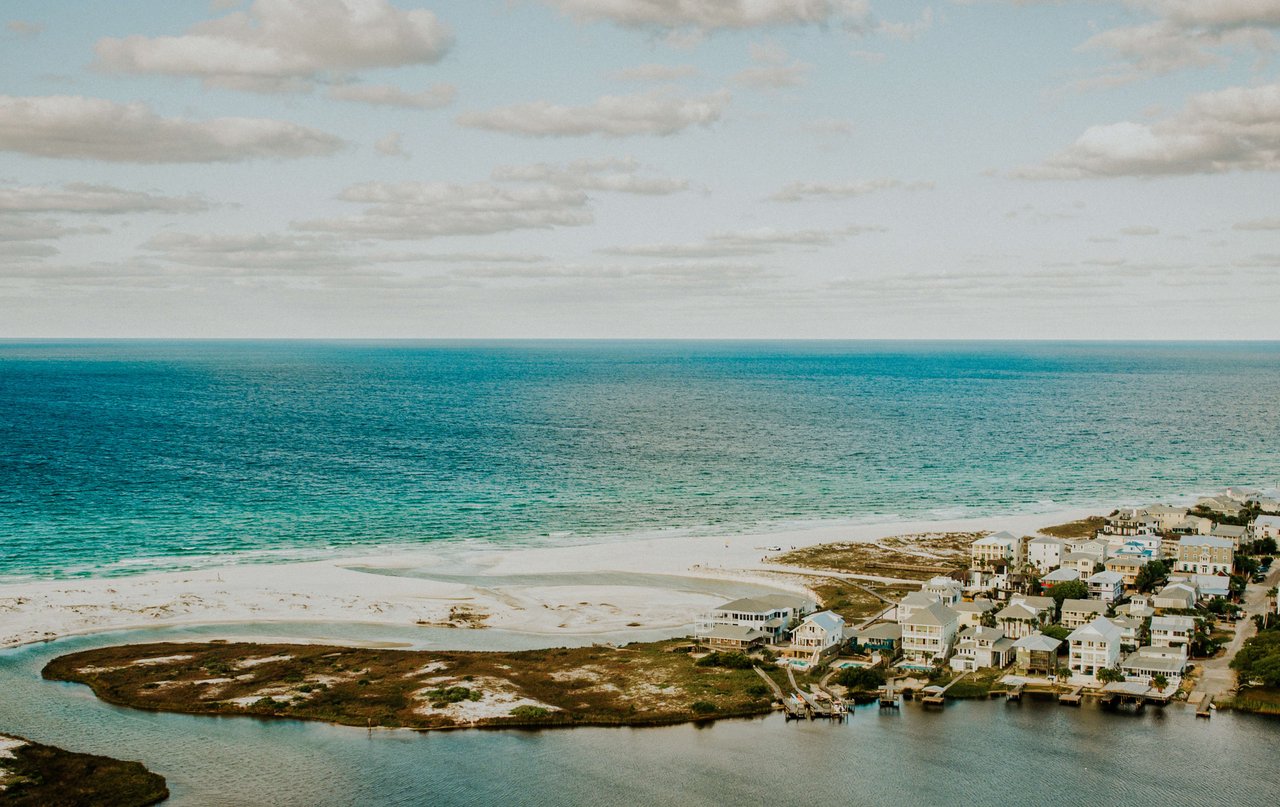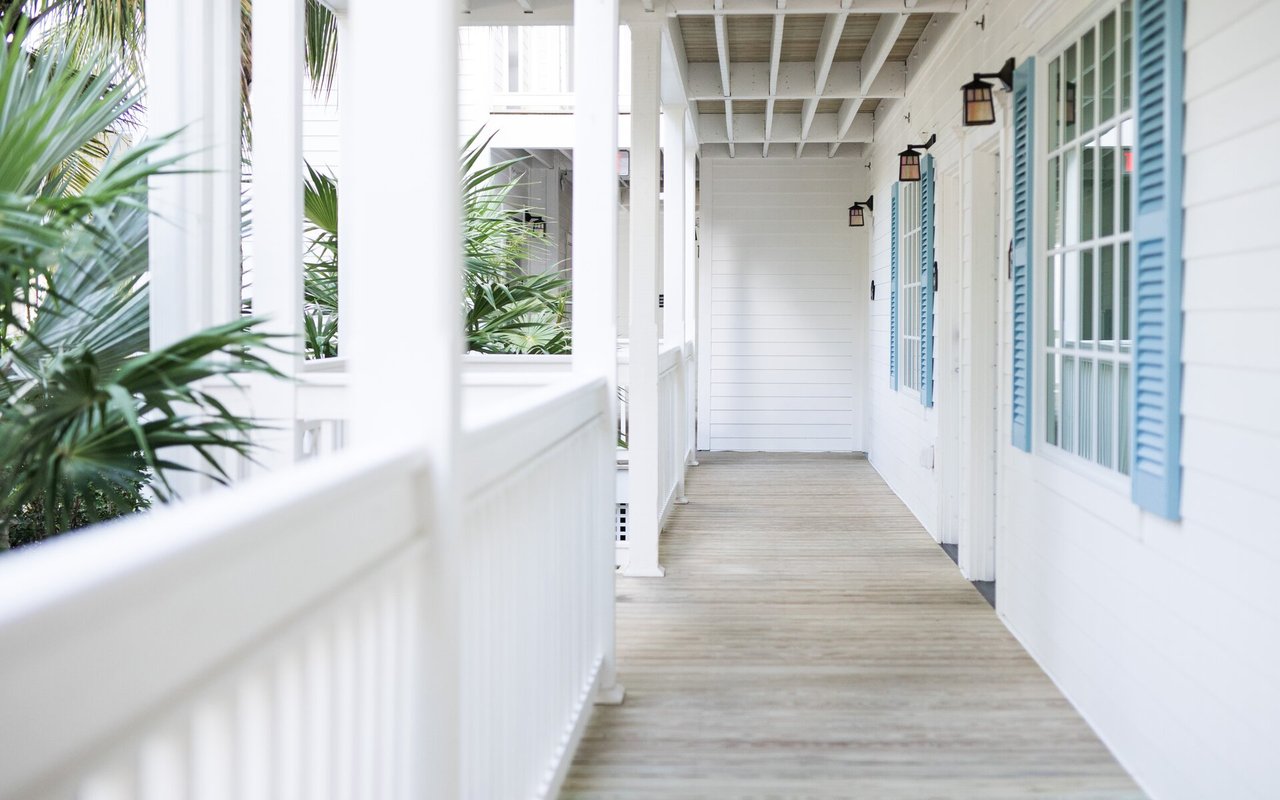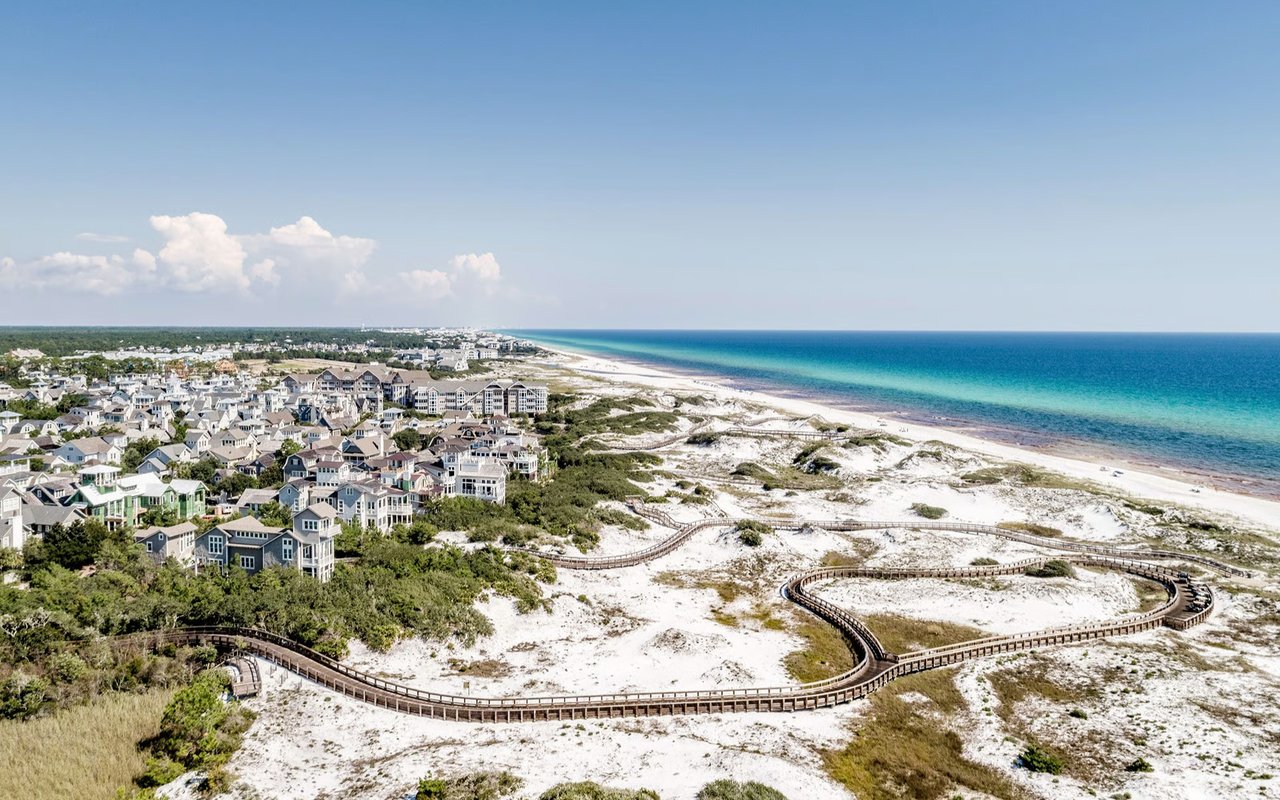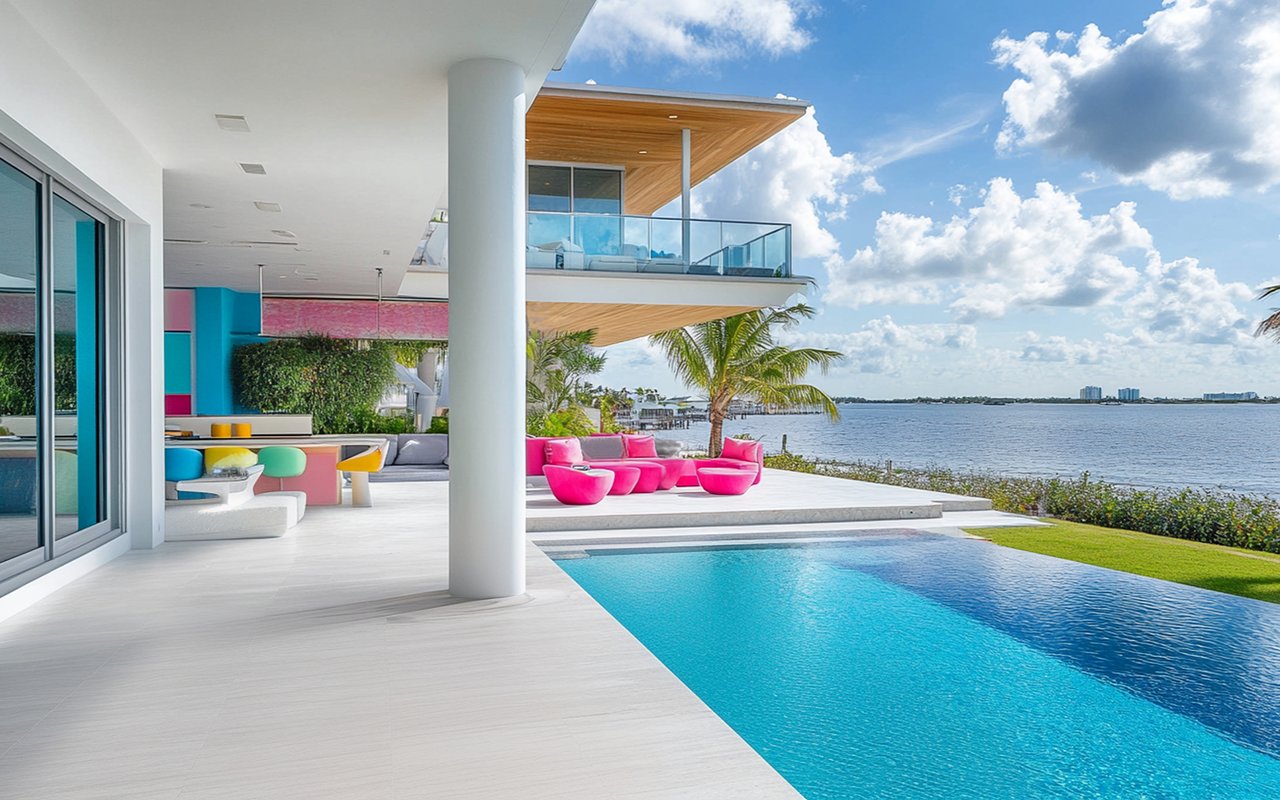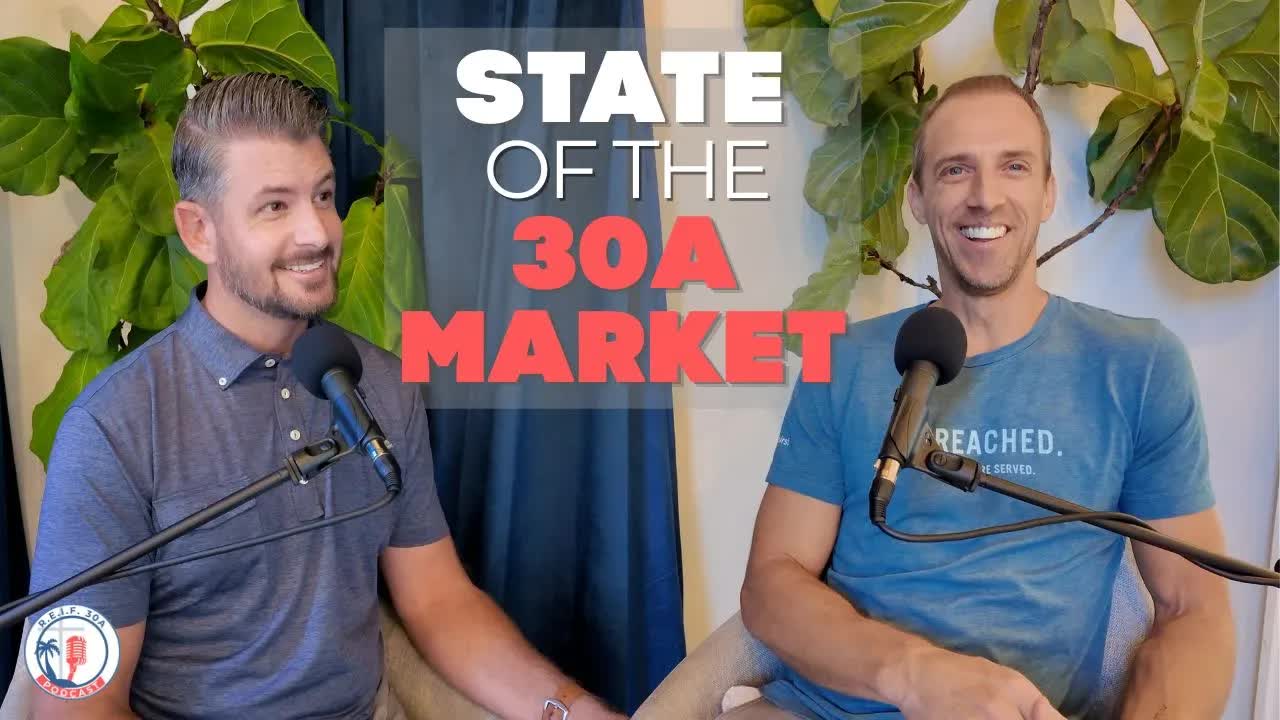
I recently sat down with Chris Jayne and Russ on Chris's podcast (Episode 6) to walk through six years of 30A real estate data, from before COVID to today. It's easy to read national headlines and assume every market behaves the same way. 30A doesn't. Unless you're on the ground here watching the numbers, it's hard to know what to do. Here's what we covered, along with the full episode.
Watch the episode: How has the 30A Market performed since COVID? | Ep. 6
Key takeaways
- Inventory is back to normal. 30A residential inventory fell from roughly 1,000 listings before COVID to just 207, climbed to 1,277 by June 2025, and was at 925 in July 2026, about where it was in 2019.
- Prices are up 175% in six years. The average 30A sale price went from $915,000 in August 2019 to $2.8 million in July 2026.
- The market is heating back up. Absorption peaked at 16.8 months of inventory in June 2025 and fell to 8.93 months by July 2026.
- The buyer's window is getting smaller. At the pace we were seeing, 30A could reach about six months of inventory around the end of 2026, which on 30A tends to favor sellers.
- Established communities hold up best. Places like WaterColor and Rosemary Beach have been more insulated from the big swings.
Figures below are from 30A residential MLS data as discussed in the episode, recorded in summer 2026.
30A inventory: from 1,000 homes to 207 and back
We looked at active residential listings across 30A, east to west. Before COVID, we typically had just under 1,000 homes for sale at any given time.
When beaches reopened in 2020 and much of the country was still shut down, 30A was open and everybody wanted to be here. Inventory fell off a cliff, down to 207 total listings by around the start of 2021. It bounced a little as sellers realized what their homes could bring, then hit its second-lowest point in March 2022.
From March 2022 to June 2025, inventory climbed for three straight years, all the way to 1,277 listings. That's the stretch when interest rates went up, prices took a hit, and days on market jumped. Rising rates were the piece that drove everything else.
Since then, inventory has been coming back down the other side. In July 2026 we had 925 homes available, which is essentially where we were in 2019. In other words, we're back to a normal, pre-COVID market.
Interest rates
I think people have mostly made peace with rates in the 6% to 6.75% range. For perspective, that's still below the long-term average going back to the 1970s, which I believe is somewhere around 7.2%. I don't see anything on the horizon that says rates are about to drop, and neither does Chris from his side of the business. I don't think buyers should plan around waiting for that.
30A home prices are up 175% since 2019
Average sale price on any given month can be skewed by a single big sale. One $30 million home on 30A moves the number. But you can't argue with six years of trend, and it's up and to the right.
- August 2019: $915,000 average sale price on 30A
- July 2026: $2.8 million average sale price
- Total change: about a 175% increase
Year to year it moved around. From August 2021 to August 2022, the average sale price climbed 57.9%. From 2023 to 2024 it fell 10.6%. This past year it was up 27.3%. Through the COVID run-up, the rate hikes, and the down year, the long-term direction held.
For context, we ran the same kind of numbers for 2008 to 2019. Over that period, 30A averaged about 6% appreciation a year. Some years were up 20%, some were down 8%, but the average was 6%. Nobody times a market perfectly for very long, including the best investors. The goal is to get in and stay in long enough to let the fluctuations work themselves out.
Absorption rate: how hot or cold is the 30A market?
Absorption rate is the relationship between how many homes are for sale and how fast they sell, expressed in months of inventory. The simplest way to think about it: how hot or cold is the market? The lower the number, the faster things move.
- Before COVID: about 8 to 9 months of inventory
- During COVID: down to about 1 month. Homes were going under contract the same day with multiple offers.
- After the March 2022 rate hikes: it climbed for three years straight.
- June 2025 (peak): 16.8 months, nearly a year and a half of inventory
- July 2026: 8.93 months, after falling in 12 of the last 14 months
When people told us the market felt slow in 2024 and early 2025, the data backed that up. And it's backing up the opposite story now.
What the months-of-inventory numbers mean
The traditional framework is:
- 0 to 4 months: seller's market
- 4 to 6 months: balanced or neutral market
- 6+ months: buyer's market
Here's the caveat Russ pointed out, and I agree with it: on 30A, that 4-to-6-month range doesn't really behave like a neutral market. Sellers have most of the advantages in that range here. There's less negotiating, fewer concessions, and less movement on price.
What this means for 30A buyers
If I were in a buyer's shoes, here's how I'd look at it.
The best window was June 2025. That's when inventory peaked, sales were slowest, and buyers had the most leverage. June 2026 told a different story. Sales jumped compared to the year before, and a lot of people came off the sidelines. That happens here. People come down on vacation, look at property, and decide they should have done it last year.
The window is getting smaller each month. Russ tracked how fast absorption has been falling, and at that pace 30A would reach about six months of inventory by December 2026. When I ran the same numbers, I came up with two to three quarters at most. This isn't a scare tactic. It's what the data shows. If owning on 30A is right for your family and you have the financial ability to do it, I haven't seen a better time, and that advantage shrinks a little more every month.
Don't base a 10-year decision on a one-month snapshot. Russ made a good point here. Most people buying a beach house plan to own it for five, seven, ten years or more. As Russ put it, how many people do you know who regret buying their beach house?
Know your risk tolerance. Some people who bought at the peak in spring 2022 would lose money if they had to sell today. If that makes you nervous, look at the parts of 30A that are more insulated from the big swings.
Where to buy on 30A if you want less volatility
Communities with a long track record, like Rosemary Beach and WaterColor, weren't the ones with the wildest spikes during COVID, but they've held up better. They have dedicated beach access, strong amenities (WaterColor has its beach club), and real brand recognition. Those are the places that tend to stand the test of time.
If you want to build Gulf-front on the west end of 30A in Dune Allen, understand that in a lot of ways you're pioneering. There have been Gulf-front sales out there around $20 million, but that's rare air for the west end. If you want more certainty with that kind of product, the east end of 30A is the more proven bet. Neither is wrong. It comes down to risk and reward, and what's right for your family.
What this means for 30A sellers
Get ready. The tide is turning more in your favor every month. That doesn't mean you can list at a number that isn't grounded in reality and get away with it. The market will still pay what a home is worth. But conditions are moving your way.
The 30A buyer has changed
This is the biggest shift I've seen. The buyer used to say, "We want a house on 30A, but it has to rent for X and produce Y." That's maybe 1% of the buyers I work with now, and I think that's true across the board.
Today's buyer says, "We love 30A. It's our family's spot, and we want to own here for the long haul." The numbers are secondary. In a lot of cases they don't want renters sleeping in their beds or banging suitcases up the stairs.
A WaterColor example
WaterColor shows this clearly. Last year we set the WaterColor record for interior price per square foot, about $1,525 a foot, at 11 Dandelion Drive in WaterColor's Cottage District.
More recently, we listed a Phase 1 WaterColor home at $9.6 million, about $1,776 a foot. It was an ambitious number, and it still drew two offers, one of them after it came off the market. That home is now under contract off-market. I won't share the price.
Both of those buyers paid cash, and neither family plans to rent the home. These are people who love WaterColor and were willing to spend $8 million to $9.5 million to own there. To me, that says a lot about the strength of this market.
It's also about scarcity. There are maybe four vacant lots left in WaterColor outside the newest phase, Phase 5. Beyond that, new homes will mostly have to be teardowns.
Where the 30A and South Walton market is headed
Chris mentioned the largest sale on 30A this year, about $41 million in Inlet Beach between Rosemary Beach and Alys Beach. Compared with South Florida markets like West Palm Beach, this is still a young market, and I think we'll keep seeing records.
Growth isn't limited to 30A, either. Santa Rosa Beach and Freeport are growing fast, and St. Joe is building out communities around Panama City and Mexico Beach with infrastructure, medical, shopping, and retirement communities on 50- and 100-year plans. In some ways, 30A is still catching up to what Alys Beach has shown is possible, with sales around $4,000 a foot.
We were in Vail, Colorado recently, walking past homes that trade for $4,000 to $5,000 a foot. From the outside, a lot of them aren't anything special. They're just on prime land. That's what we have here: some of the most beautiful beaches in the world, and a limited amount of them. Scarcity drives value.
Frequently asked questions
Is now a good time to buy on 30A?
From what the data shows, yes. Buyers had the most leverage in June 2025, when 30A peaked at 16.8 months of inventory. By July 2026 that had dropped to 8.93 months, so buyers still had some advantage, but it's shrinking each month as the market moves toward seller territory.
How much have 30A home prices gone up since COVID?
The average 30A residential sale price rose about 175%, from $915,000 in August 2019 to $2.8 million in July 2026. That includes a 57.9% jump from August 2021 to August 2022 and a 10.6% drop from 2023 to 2024.
Is 30A a buyer's market or a seller's market right now?
As of July 2026, 30A had 8.93 months of inventory, which is still technically a buyer's market (6+ months). It's been falling quickly from a 16.8-month peak in June 2025, and on 30A the 4-to-6-month range tends to favor sellers.
What is absorption rate in real estate?
Absorption rate measures how many months it would take to sell every home currently on the market at the current pace of sales. Under 4 months generally means a seller's market, 4 to 6 is balanced, and over 6 favors buyers. On 30A, sellers tend to have the edge even at 4 to 6 months.
Which 30A communities hold their value best?
Established communities with dedicated beach access, strong amenities, and brand recognition, like WaterColor and Rosemary Beach, have been more insulated from big price swings than newer or less proven areas.
How much inventory is on 30A today compared to before COVID?
There were 925 active residential listings on 30A in July 2026, roughly the same as 2019, when there were just under 1,000. Inventory had fallen to 207 during COVID and peaked at 1,277 in June 2025.
Talk with Travis about buying or selling on 30A
A physicist I used to listen to summed up his whole life this way: when you understand, you know what to do. That's the point of all this data. Our clients make their own decisions. We just want them to have the best information to make a wise one.
If you're thinking about buying or selling on 30A, in Santa Rosa Beach, or anywhere in South Walton, I'm happy to walk through what the numbers mean for your situation. Call or text me at (850) 830-1178, search homes on my site, or reach out here.
Travis Wilburn, Broker/Owner, Live 30A Real Estate, 1598 S County Hwy 393, Ste 101, Santa Rosa Beach, FL 32459