TL;DR: Hurricane Isaias came ashore near Destin as a strong Category 2 storm, and on 30A most of what it left behind was downed limbs and trees. Within about 48 hours most people had power back, restaurants were full, and the beaches were busy again. If 30A home values change in the months ahead, I don't think it will be because of the storm. Mortgage rates are the bigger variable, and they mostly affect homes under $2 million, since more than half of 30A sales are cash.
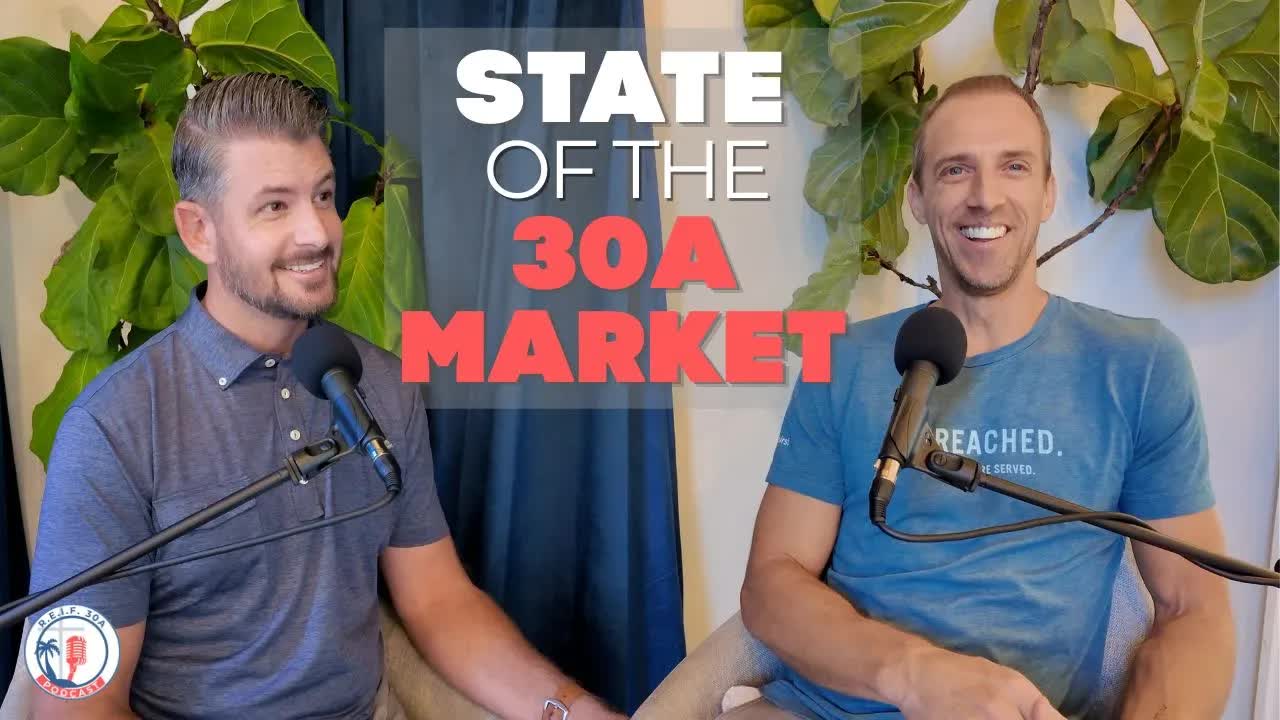
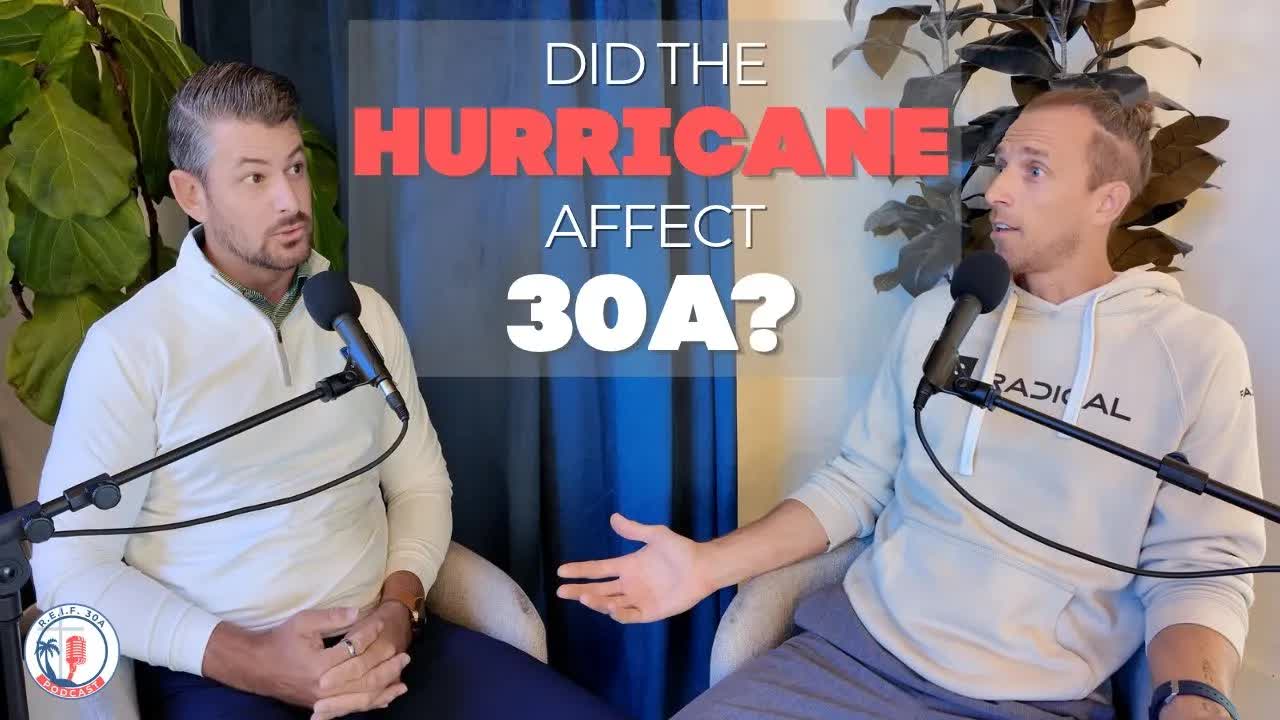
Chris Jayne, Russ and I recorded Episode 8 of Chris's podcast right after Hurricane Isaias. The question we kept hearing from clients out of town was simple: did the storm hurt the 30A real estate market? Here's what we talked about.
Watch the episode: Did Hurricane Isaias affect the 30A Real Estate Market? | Ep. 8
Key takeaways
- The storm didn't change the market. Most damage was trees and limbs, and life was back to normal within days.
- Rates went up, but 30A is mostly cash. Mortgage rates hit 7.3% to 7.4%, yet more than half of 30A sales are cash.
- Under $2 million is the most rate-sensitive segment. About two-thirds of 30A sales under $2 million are financed.
- The market is still tightening. Absorption was projected at about 7.8 months of inventory, down from about 8.5 the month before.
Where the 30A market stood before the storm
About two months before this episode, I walked through the pulse of the 30A market. The short version: inventory and absorption peaked around June 2025, and they've been coming down the other side of the mountain ever since. Our read was that if the trend held for another one to two quarters, 30A would be entering a seller's market.
Then the Fed raised rates a quarter point. When we recorded, the average mortgage rate was 7.3% to 7.4%, about a point higher than two months earlier. The fair question is how that affects 30A.
30A is a cash-driven market
30A has been heavily cash-driven for a long time. During COVID, a title company told me about 60% of their 2020 to 2022 transactions were cash.
We ran the numbers on cash versus financed sales at each price point:
- Under $2 million: about two-thirds of transactions are financed, so this is the part of the market most affected by rates.
- $3 million and up: about 55% are cash.
- $3 million to $5 million: about 61% are cash.
- $5 million and up: about 77% are cash, nearly eight out of ten.
Many of the financed deals at the top end also use creative financing, like credit lines against a business or other assets, which are less rate-sensitive.
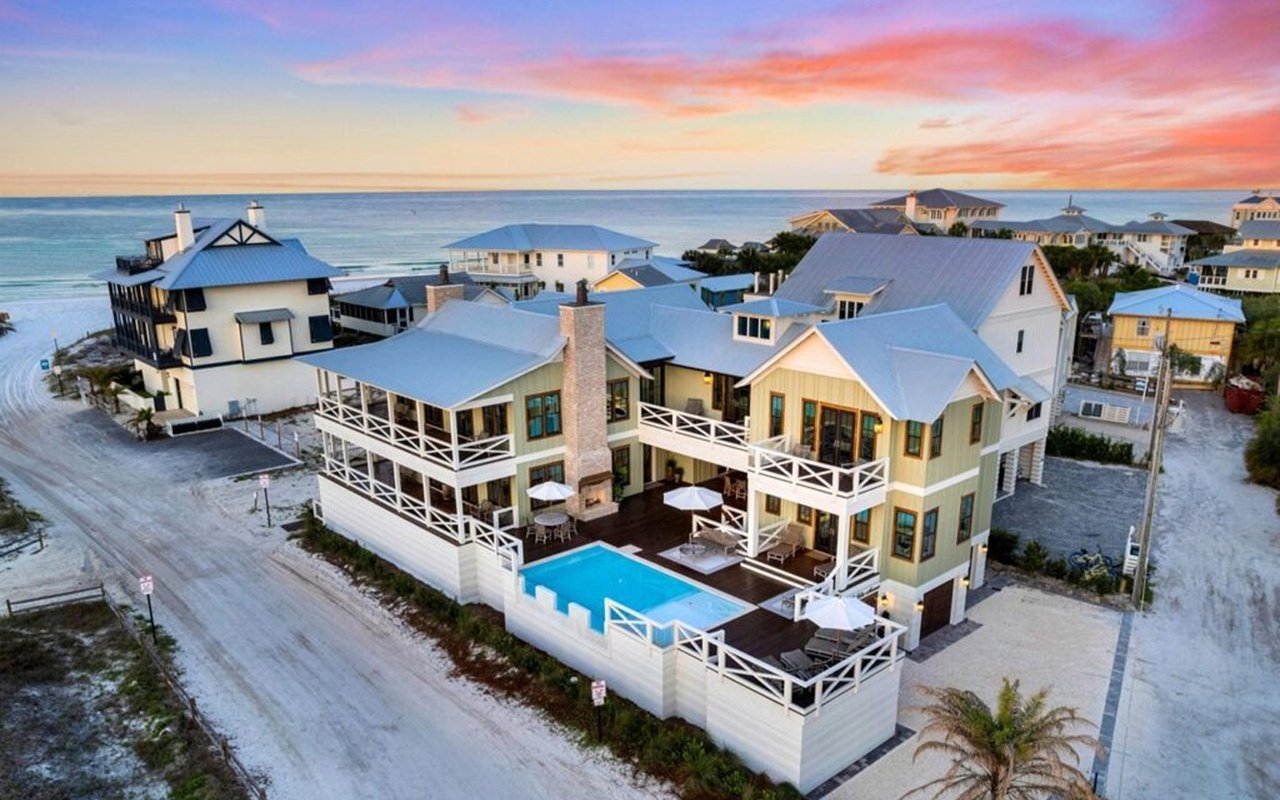
The average sale price on 30A hovers around $2.5 million, compared with roughly $400,000 nationally. 30A is a destination market. These are lifestyle decisions more than rate decisions. People want a home at the beach, so they buy one. How much the under-$2 million segment gets affected is yet to be seen.
Absorption is still coming down
I always go back to the data, not anecdotes. We now pull absorption daily and weekly instead of waiting on the monthly MLS release. At the current pace, absorption was projected at about 7.8 months of inventory, down from about 8.5 the month before. Even with rates above 7%, the market is still heating up.
Will a hurricane lower my 30A home value?
This was the big question Chris was hearing as an insurance agent and a real estate agent. A lot of people have moved here since the last hurricane that directly hit the Destin and Fort Walton Beach area, which Chris noted was in 1995.
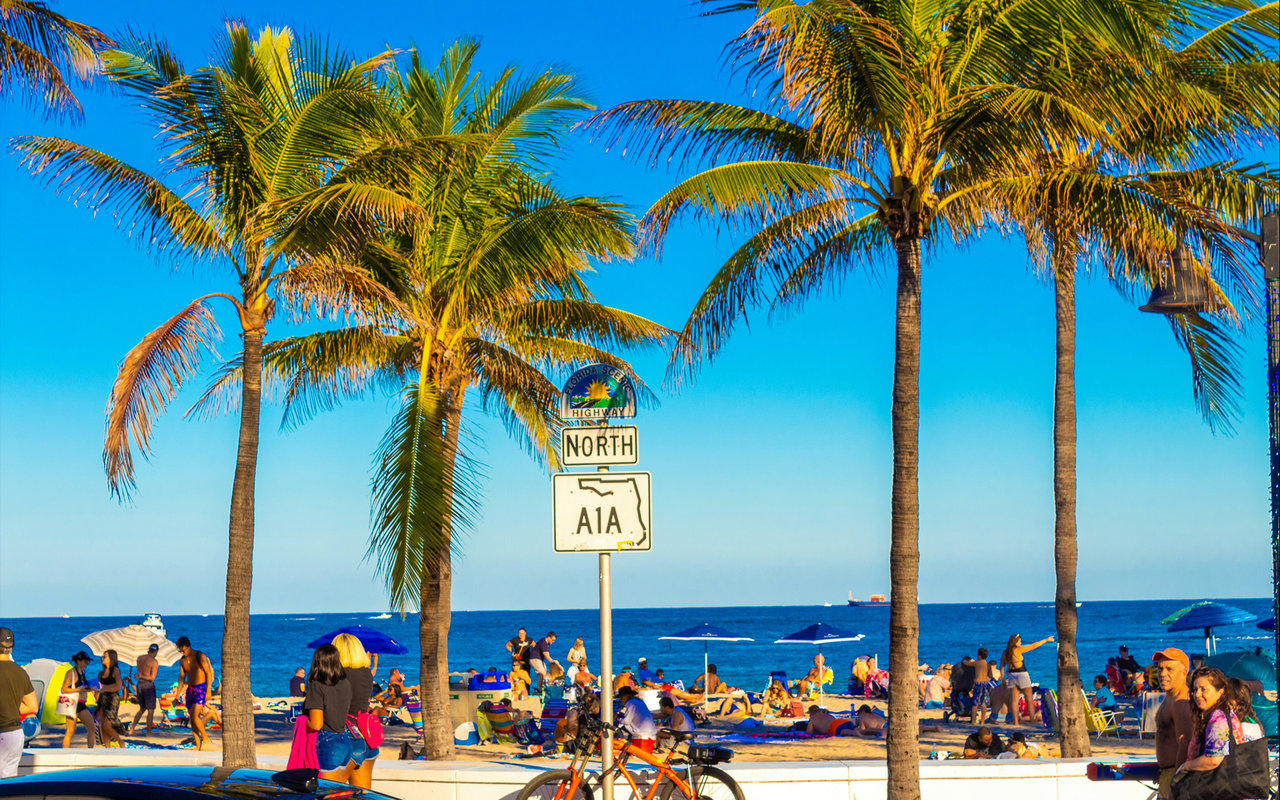
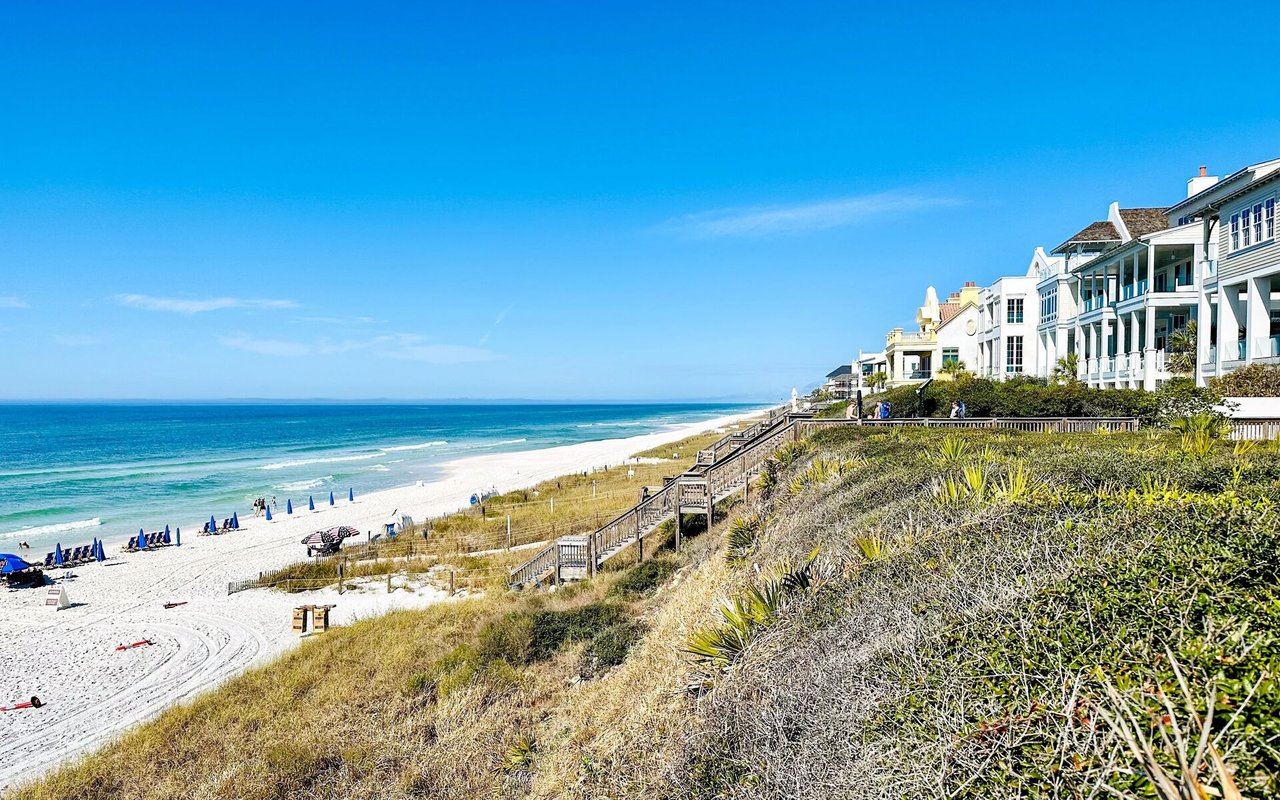
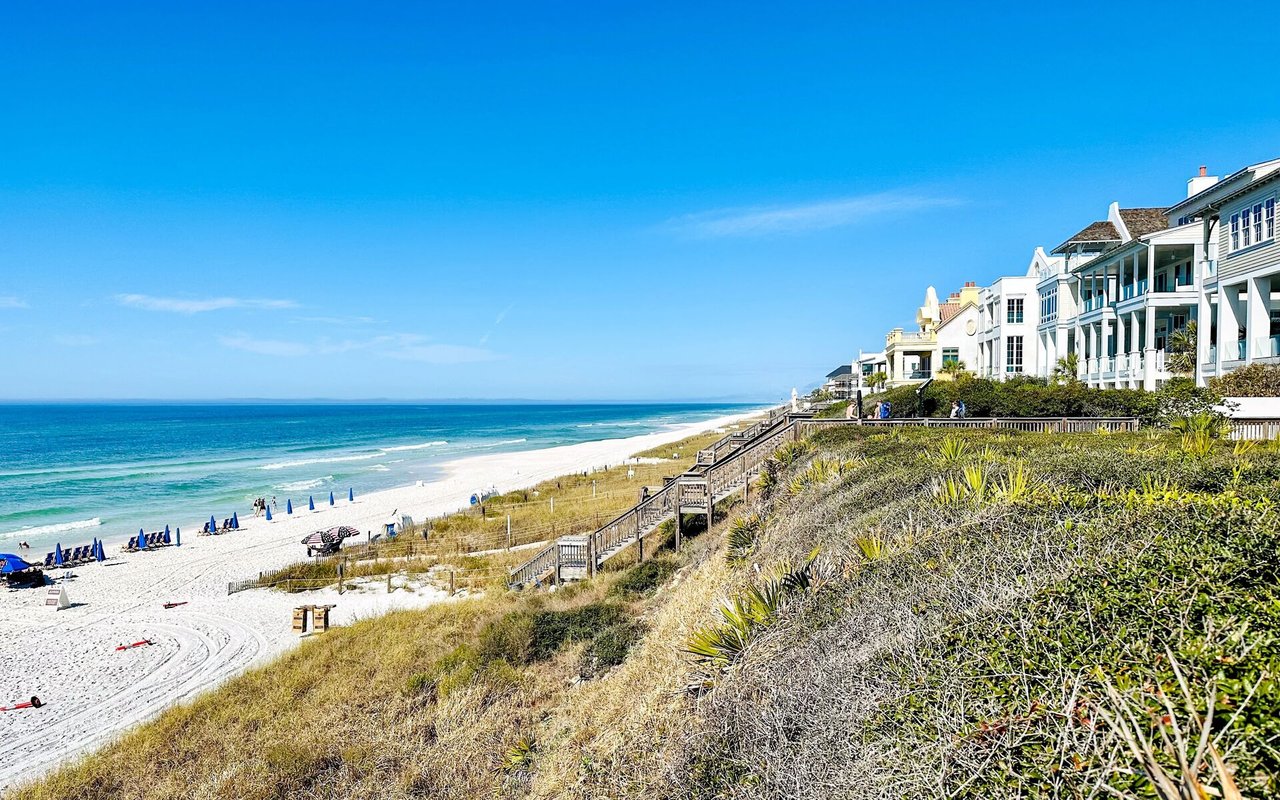
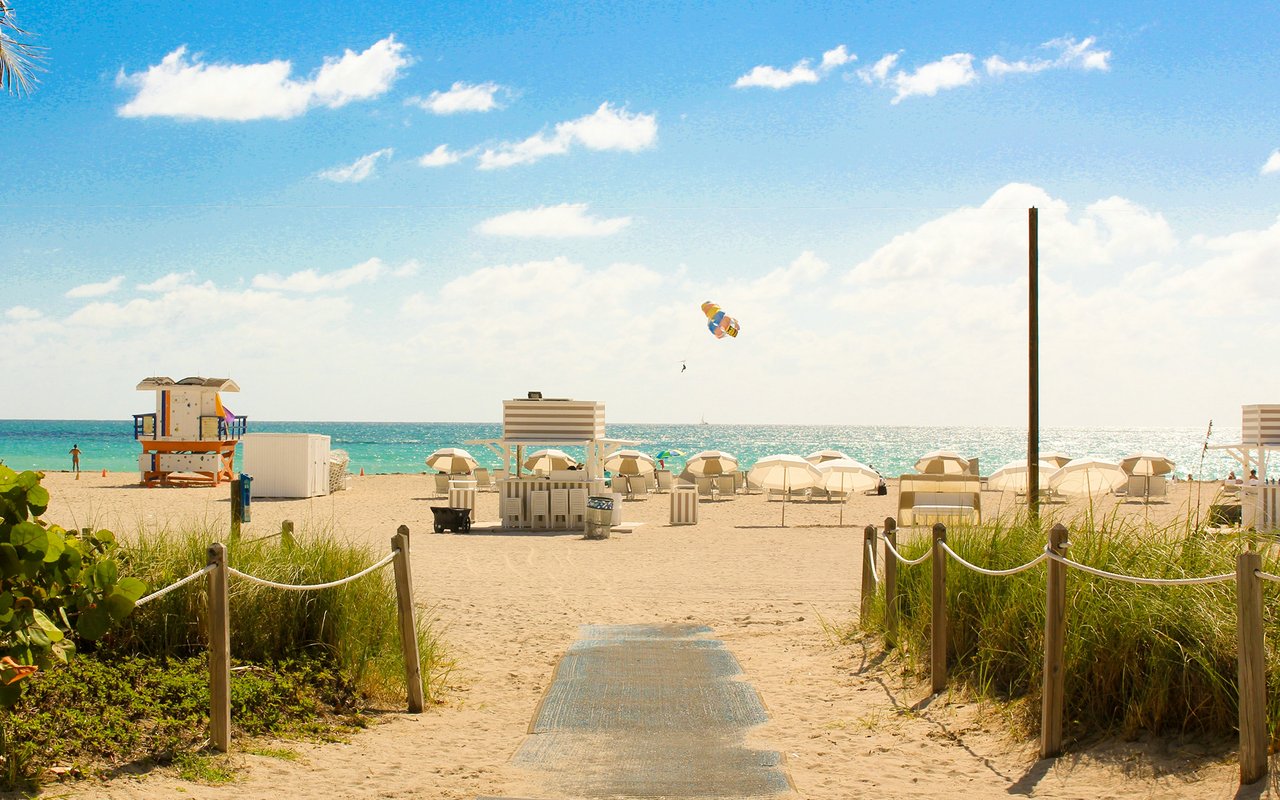
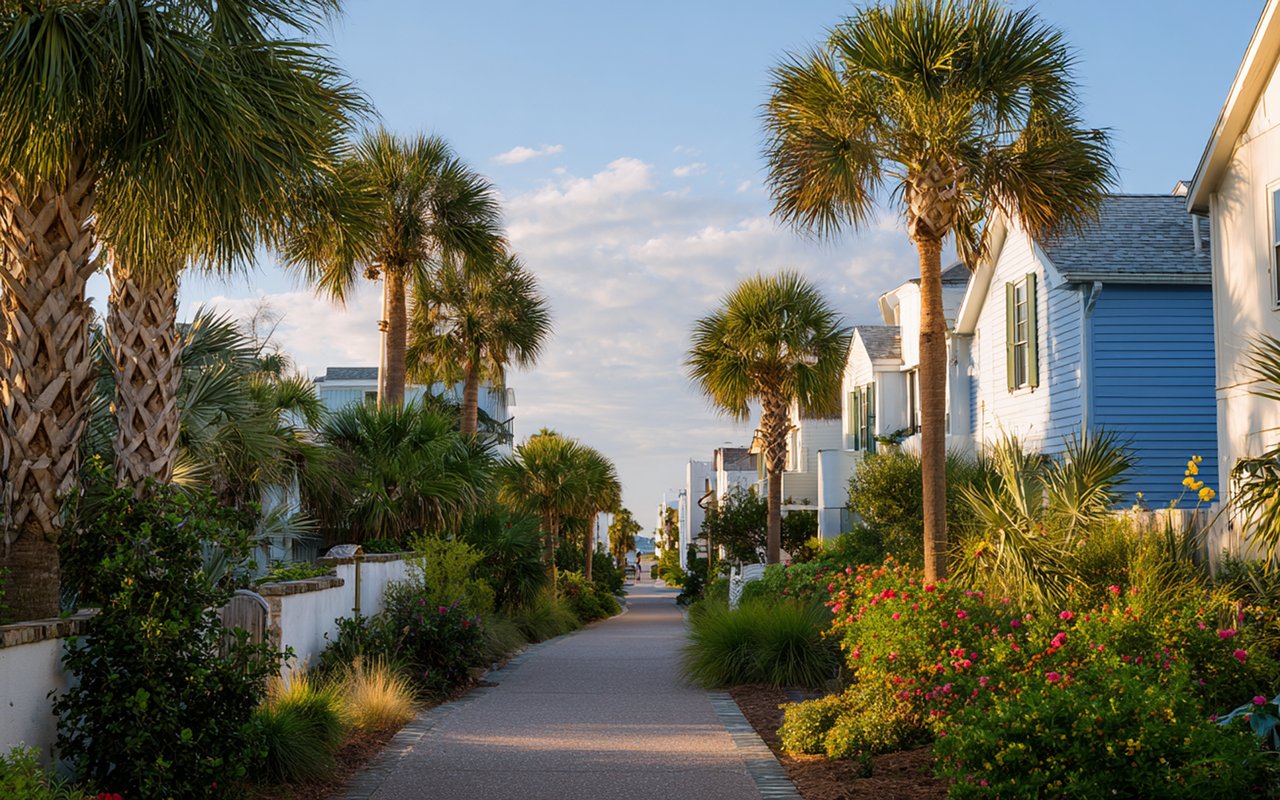
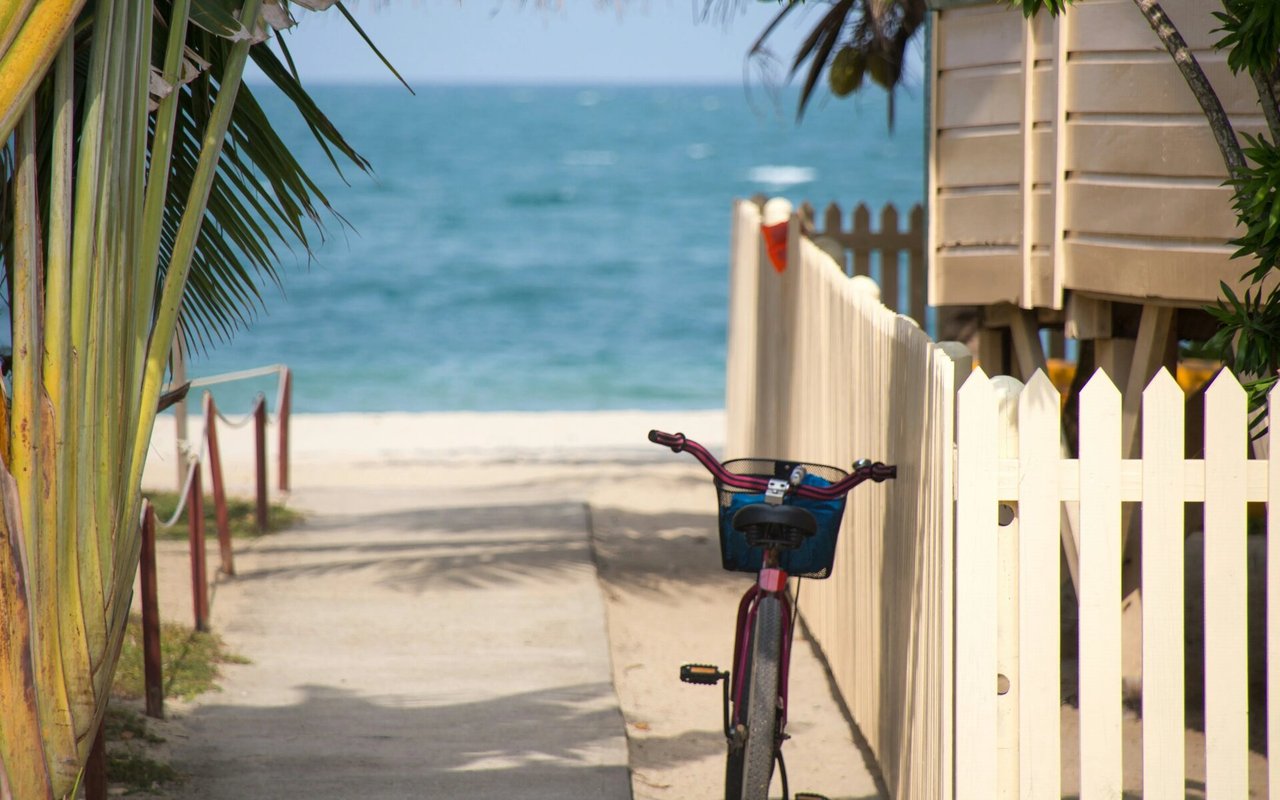
I've been here 37 years and have been through every hurricane in that time. We only evacuated once, for Hurricane Opal in 1995, because it was more of a direct impact. Every time, the market bounces back. Isaias came through on a Friday night. By Sunday, tons of people were headed to the beach. By Monday night we were sitting in a packed Shunk Gulley in Santa Rosa Beach, catty-corner to one of the busiest beach accesses on 30A, and everybody had power. Except for piles of limbs, you wouldn't know a storm came through.
As we put it on the show, nobody has a crystal ball. But if home values change, it won't be because of the storm.
What the damage actually looked like
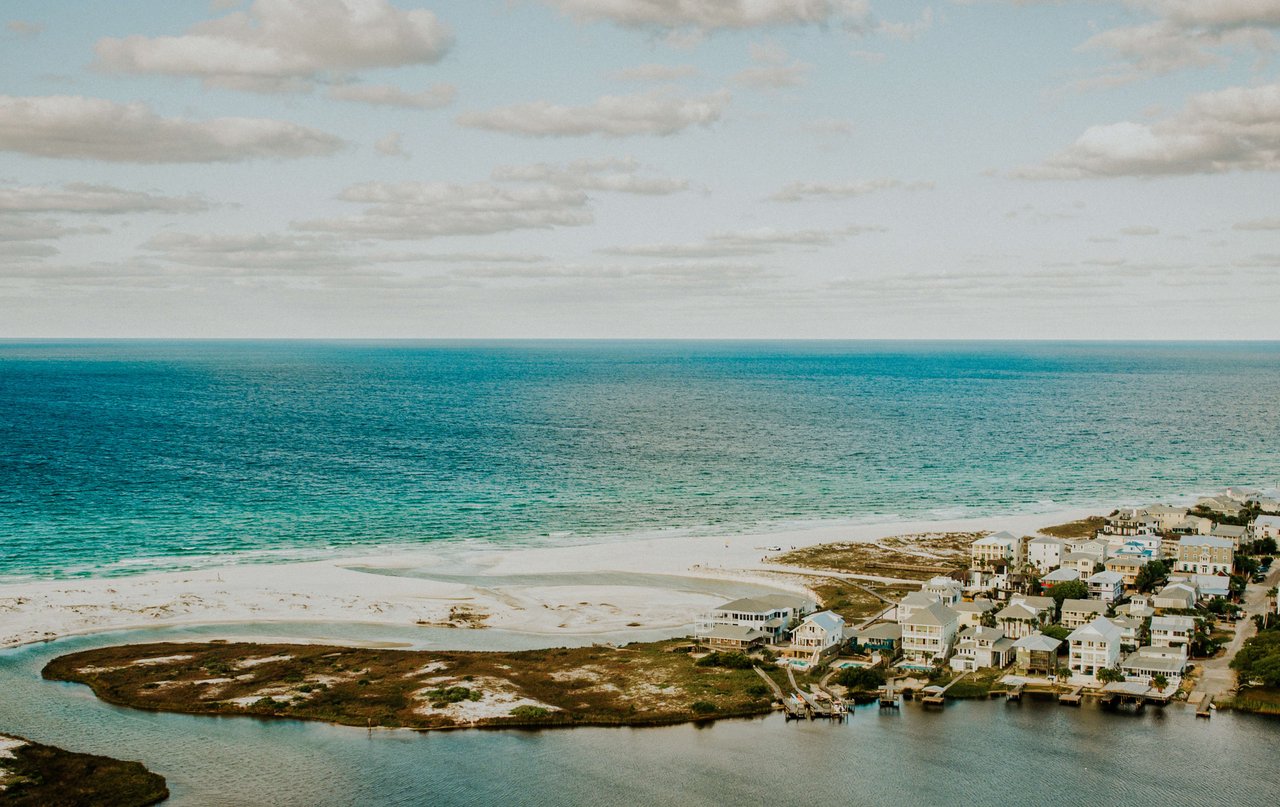
Most people had power back within 48 hours, and Chris gave the county's response a lot of credit. Most damage was trees falling in yards and lots of limbs. Russ called it a natural tree trimming for old pines that hadn't seen a strong storm since the '90s. Seaside took some structural damage and many beach accesses were hit, but by and large it could be fixed within about a month.
Why 30A homes hold up in a hurricane
Walton County building codes
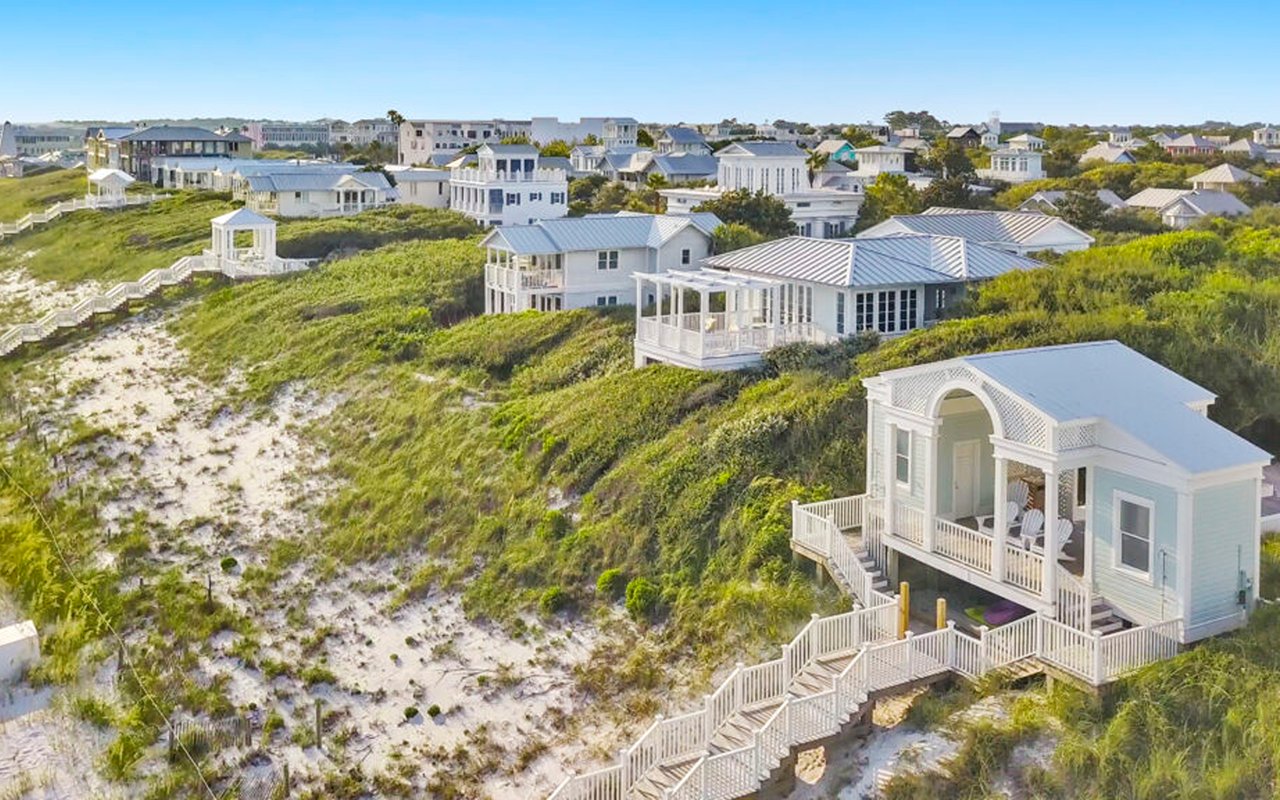
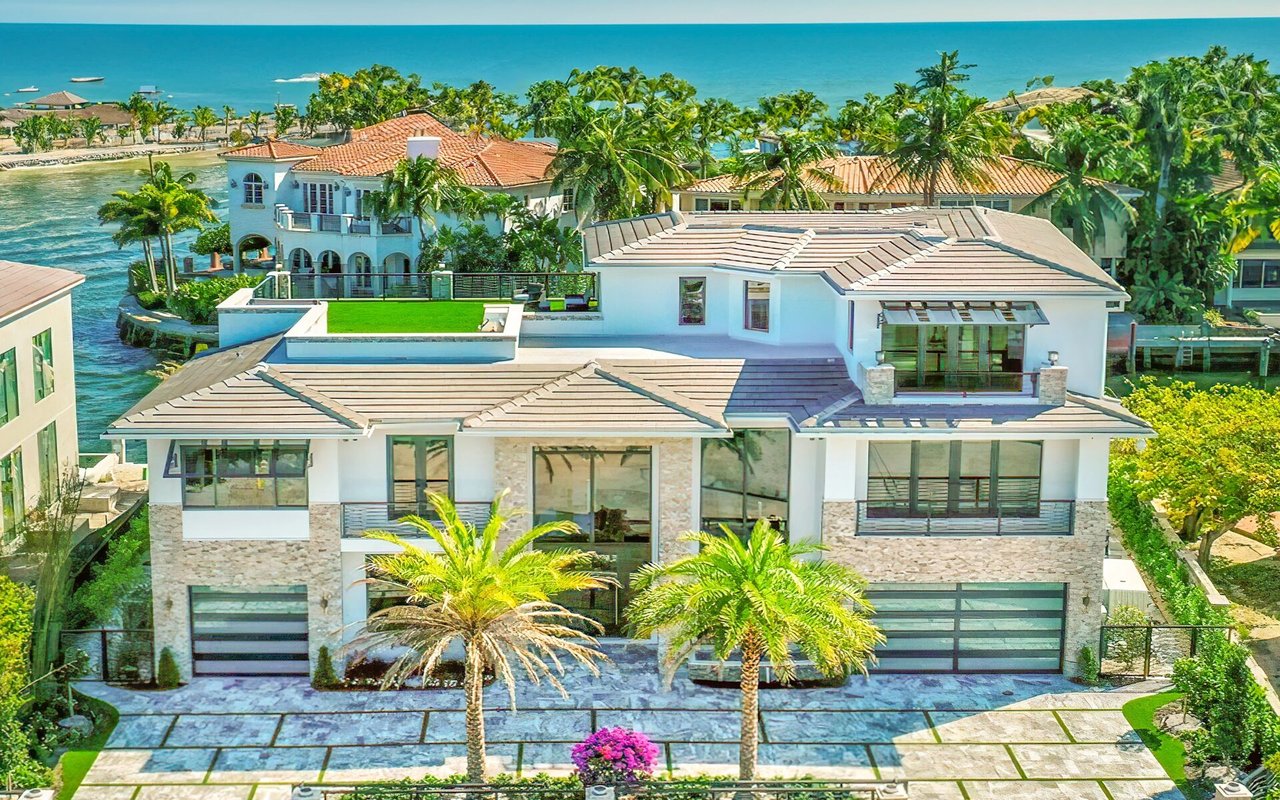
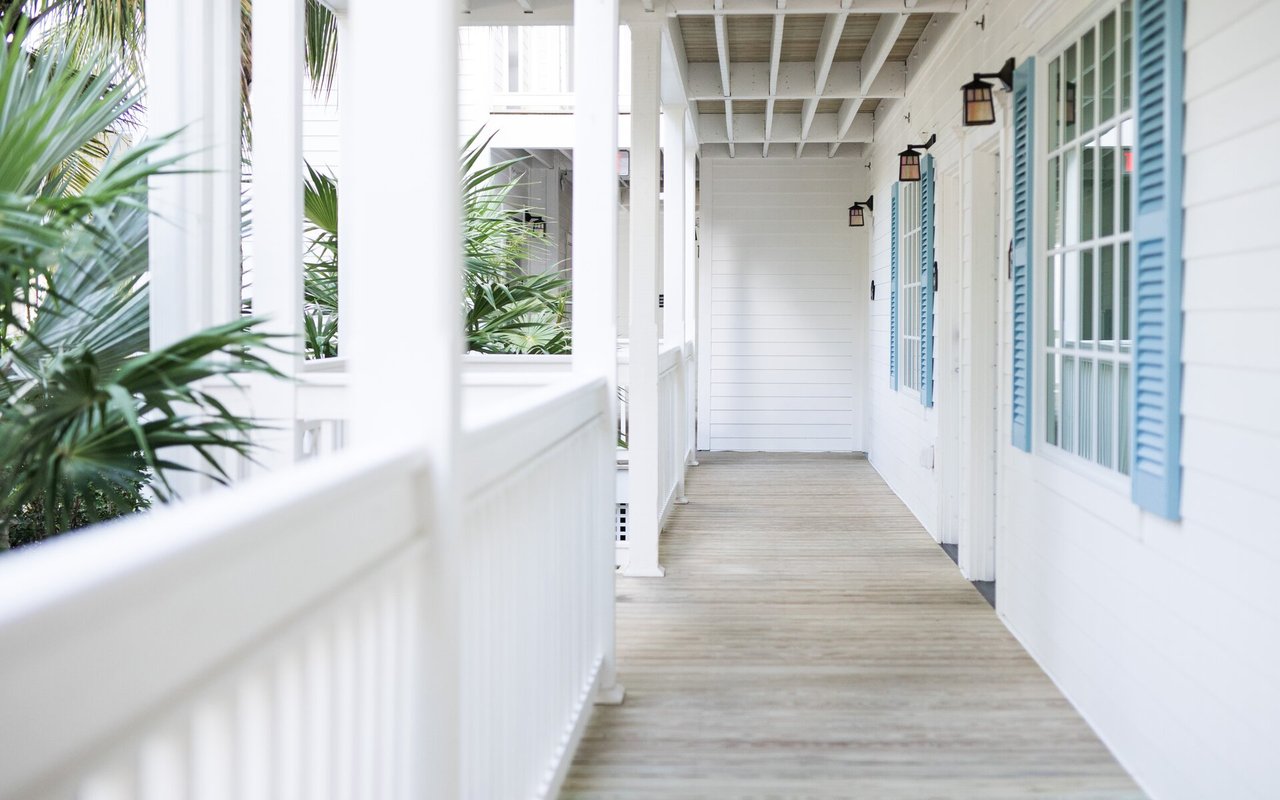
A lot of people are surprised by how strict the coastal building code is here. Impact-rated glass on every window. Hurricane-rated roof straps. Rebar and concrete tying the house together top to bottom. And Walton County inspects at every step. It is not easy to build here, and that's a good thing.
Chris stayed through the storm in his newly finished house. For a few minutes it was high winds and rain, and that was about it. For a lot of families, that peace of mind matters as much as home value.
Elevation and storm surge
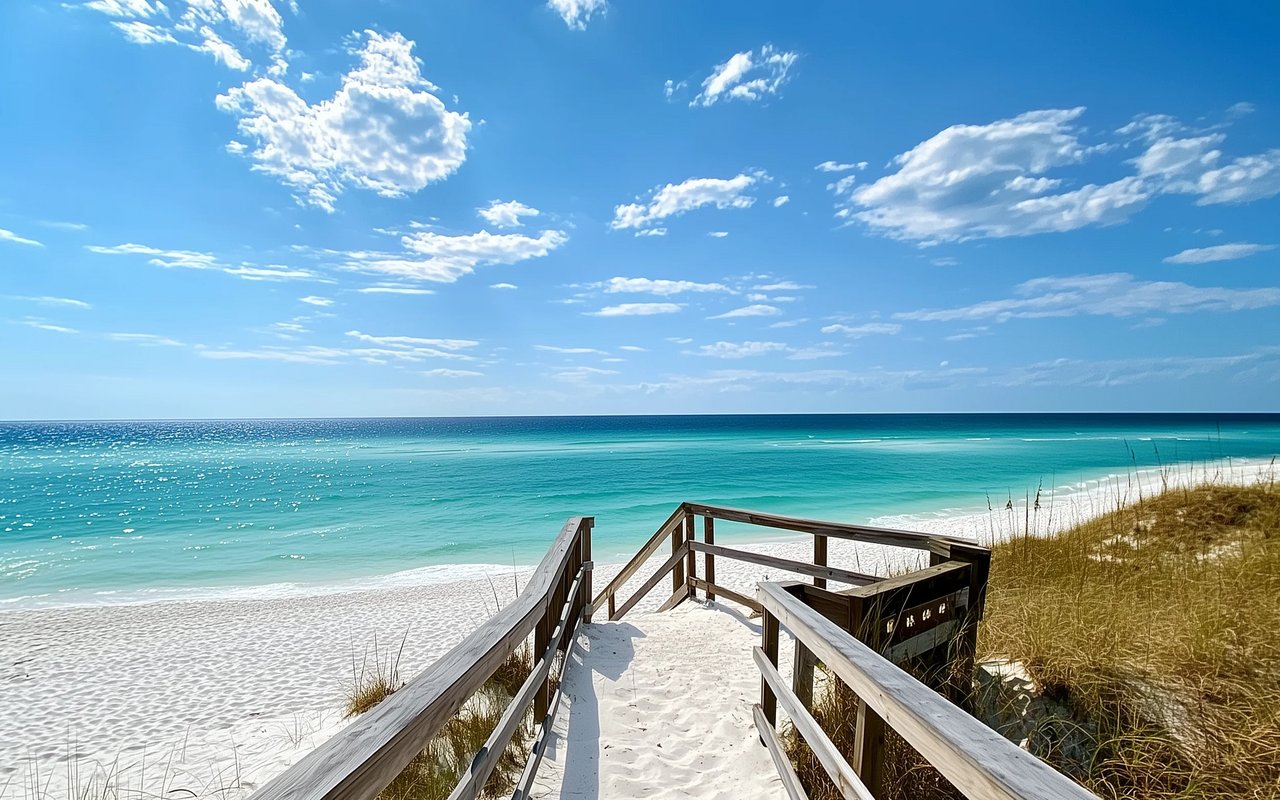
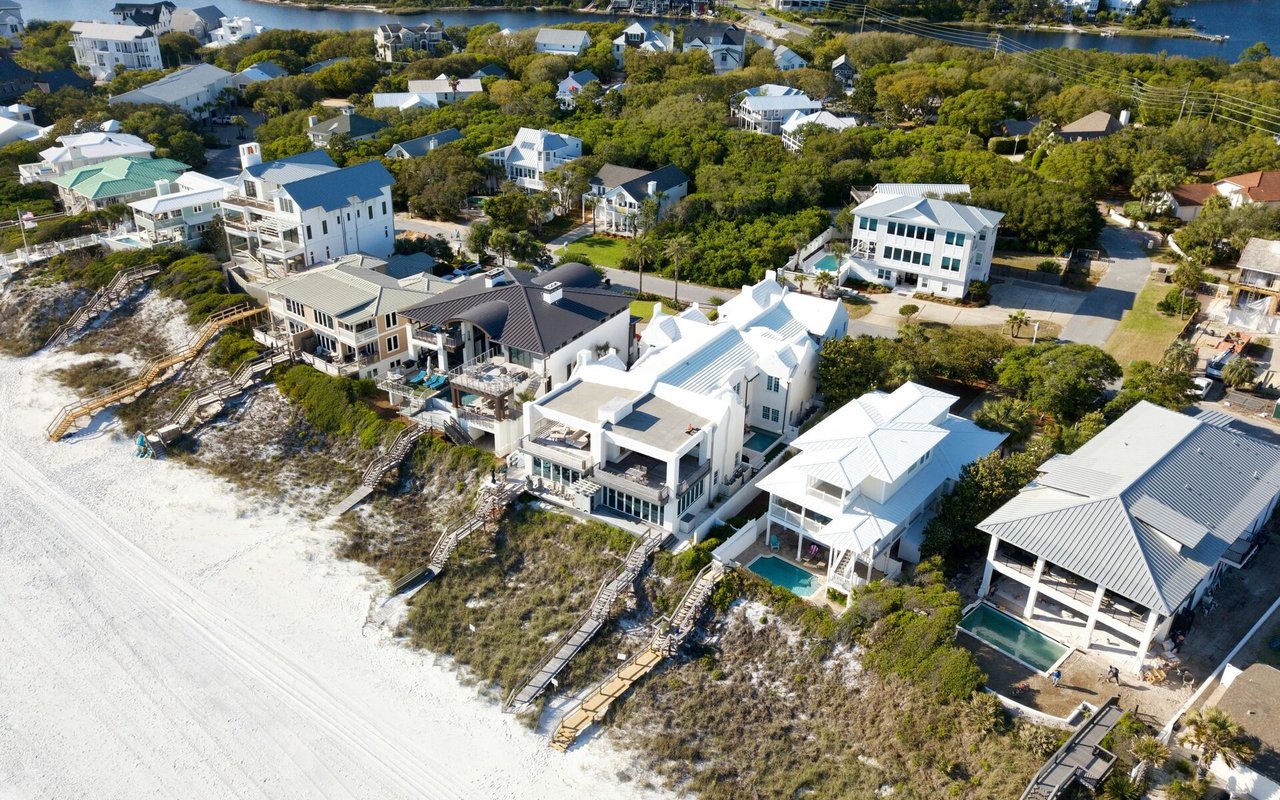
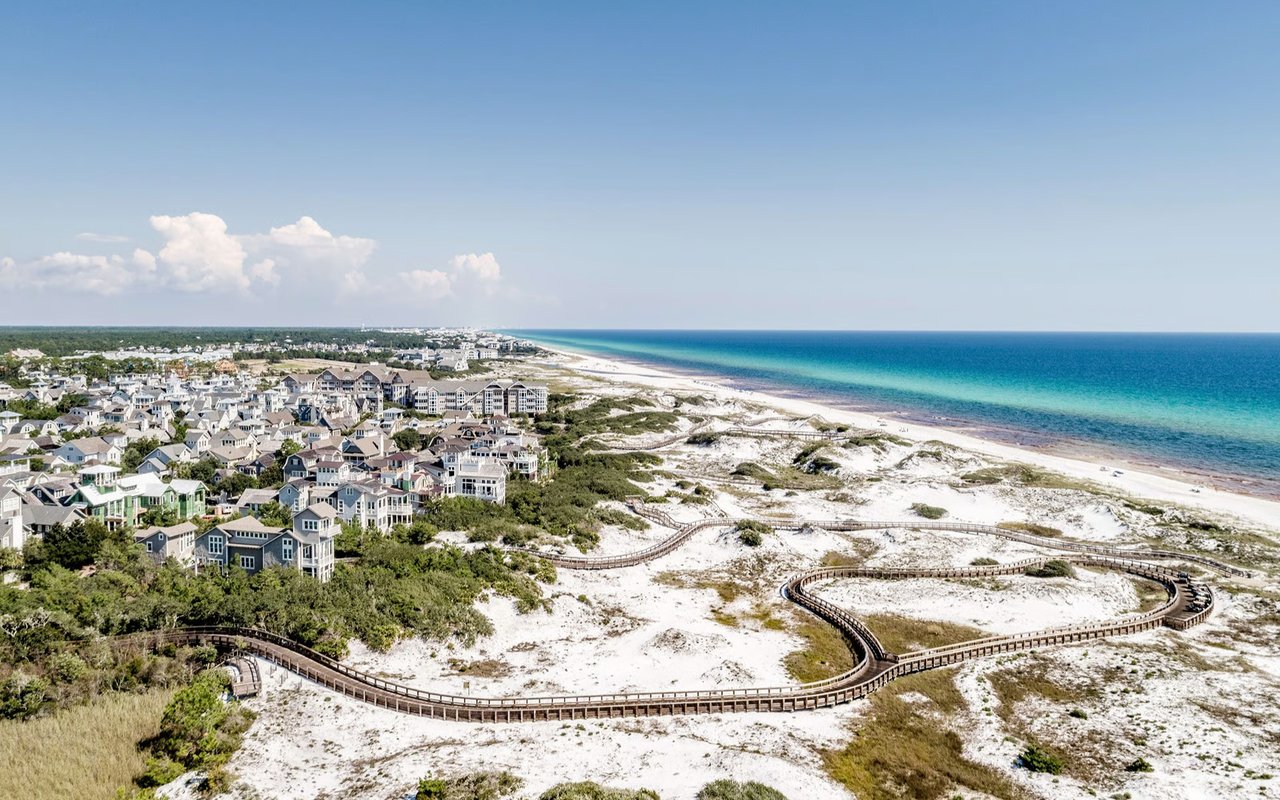
Russ is from New Orleans and made a great point. Wind is the scary part, but rising water is one of the biggest issues in a hurricane. Most of our area sits above sea level, which is why we have dunes and walk down to the beach at our accesses.
Surge here was roughly 5 to 7 feet. At Camp Helen State Park near Inlet Beach, Russ could see where debris came about 2 feet over the Lake Powell boardwalk. We're well insulated from that.
Flood insurance on 30A
We didn't see much flooding this time, but Chris's advice is to have flood insurance anyway. Here it's a separate policy, and he says most run about $500 to $800, nowhere near $10,000. Russ added that wind-driven rain was a hot topic in Louisiana, so ask your insurance agent exactly how your homeowner's and flood policies would handle it. For more, listen to Chris and Russ's episode on insurance.
A word about faith and our community
We're a faith-based company, so this won't surprise anybody who knows us. Almost everybody I've talked to since the storm has said the same thing: trees fell all around, but missed the house by an inch. We host a Bible study at our house on Tuesday nights with 25 to 30 guys, and every report has been the same. Damage was minimal, and we felt covered.
Beach renourishment and SB 1622
The beaches got pretty washed out, and Russ believes the county is already working on a renourishment plan, though he hadn't seen it confirmed.
- Why 30A has private beaches: When Walton County set up the Gulf-front lots, property lines were drawn to the mean high water line. Neighboring counties drew theirs to the dunes.
- What the bill does: Russ explained that Senate Bill 1622, passed last year, allows public funds to be used to renourish private property and gives the county power to create customary use ordinances.
- What could happen next: Renourishment should trigger a new survey and erosion control line. Sand seaward of that line becomes state-owned, which the county could designate as customary use, meaning potentially a lot more public beach.
- Timing: From the last update Russ read, renourishment was expected by October of next year, with plenty of red tape in between.
Russ also pointed to St. Joe as a sign of where this area is headed. Watersound Origins is about to roughly double in size. Hurricanes or private beaches, people still want to be here.
Start with someone local, even if you're years out
Find someone with boots on the ground here, even if you're a year or two away. Who are you going to bounce ideas off of, or ask whether something is a good value?
Before the storm, we offered a lot of clients to check on their homes before and after. Afterward, many asked what it actually looked like. People pictured doomsday. Meanwhile everybody here was going to the beach and out to dinner. Chris does the same for a client coming from Dallas, walking properties and sending video, because some homes aren't what the photos suggest.
Frequently asked questions
Did Hurricane Isaias affect 30A home values?
We don't believe so. Damage on 30A was mostly trees and limbs, and life was back to normal within days. If values change, it won't be because of the storm.
How do higher mortgage rates affect the 30A market?
Rates mostly affect homes under $2 million, where about two-thirds of 30A sales are financed. Above $3 million, about 55% of sales are cash, and above $5 million about 77% are cash, so much of the market isn't rate-driven.
Is 30A still heading toward a seller's market?
At recording, absorption was projected at about 7.8 months of inventory, down from about 8.5 the prior month and still falling, even with average mortgage rates around 7.3% to 7.4%.
Do I need flood insurance on 30A?
Chris Jayne recommends it even though little flooding was reported after Isaias. It's a separate policy here, and he says most cost around $500 to $800 a year.
Why do 30A homes hold up well in hurricanes?
Walton County requires impact-rated glass and hurricane-rated roof straps, with inspections at each step. Most of the area also sits above sea level behind dunes.
Will 30A beaches become more public after renourishment?
Possibly. Renourishment should trigger a new erosion control line, and sand seaward of it becomes state-owned, which the county could designate for customary use.
Talk with me about buying or selling on 30A
Buying or selling on 30A or anywhere in South Walton, now or two years out? I'm happy to be your boots on the ground. Call or text me at (850) 830-1178, email [email protected], search homes on my site, or reach out here.
Travis Wilburn, Broker/Owner, Live 30A Real Estate, 1598 S County Hwy 393, Ste 101, Santa Rosa Beach, FL 32459